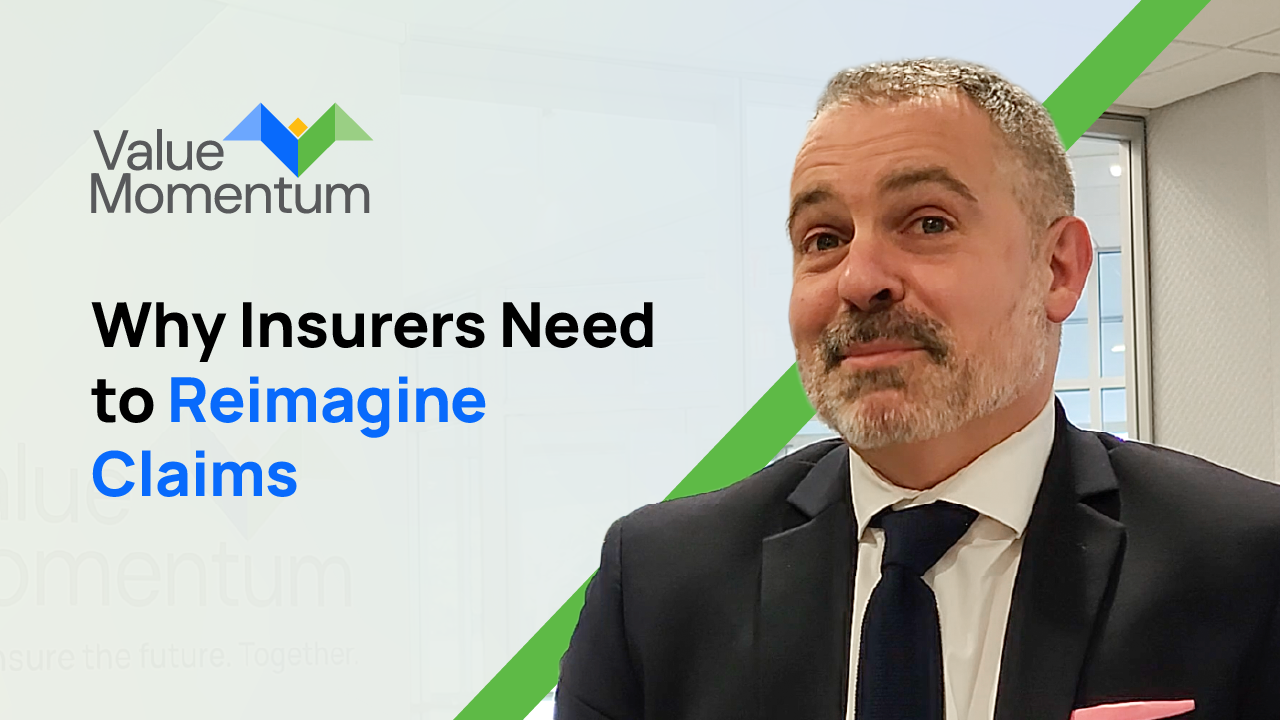
Peter Venetis, Principal Claims Consultant at ValueMomentum
Some of the key aspects to evaluate growth and claims are fairly well known. For instance, everyone knows that you need to look at cycle time. You need to look at your loss adjustment expense, your loss payments. Those are all fairly given, but when you get deeper, knowing whether or not in say commercial liability, you have a healthy defense cost containment ratio out there with your peers. Whether in personal lines, for example, your AI adoption rate is in align with leading claim and practices. Those are some additional assets that are important in order to fully understand whether or not you are modernizing in a thoughtful manner and in a way that promotes growth.
Often times, we have clients tell us that they are interested in being able to leverage certain type of automation or technology in order to improve their claims function. And while we love that energy, I think the better question to ask is, “Where should I start? How do I know what the right first step should be?” And what we tell a lot of clients is that’s where a claims assessment of your capabilities — what are you doing well, where are you treating gaps with your peers, competitors in the industry — helps you identify what are the right gap closure measures, what are ways that you can take that information to develop a road map that’s the right size for you and addresses your current state in claims as well as where you want to be as an organization and how to get there.
After you assess your claims organization, insurers now have the actionable insights they need in order to take the right steps to modernize. You now have business case, you have the vision of trend investment, and you know why this modernization fits and the next one and the next and the last are the right ones in that sequence help you achieve your modernization and optimization goals.